

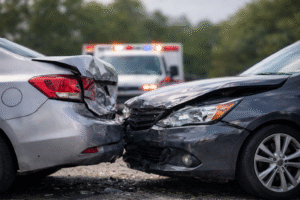
 Rear-end accidents are one of the most common types of car crashes. They happen every day at stoplights, in traffic, and on busy roads. Because these crashes often happen at low speeds, many people think they are not serious. But rear-end accidents can cause painful and lasting injuries, even when the damage to the cars looks minor.
Rear-End Accidents Happen Without Warning
A rear-end crash occurs when one car hits the back of another. These accidents often occur when a driver is distracted, follows too closely, or drives too fast for the conditions. When a crash happens suddenly, the body does not have time to prepare. The head and neck snap forward and backward in a fast motion. This movement can strain muscles, damage the spine, and cause serious pain.
Common Injuries in Rear-End Accidents
Many injuries from rear-end accidents are not visible right away. Some people walk away from the crash feeling okay, only to feel sore or stiff later that day or the next morning. Common injuries include:
- Whiplash, which causes neck pain and stiffness
- Back injuries, including herniated or bulging discs
- Head injuries, such as concussions
- Shoulder and chest injuries from seatbelts
- Soft tissue injuries that affect muscles and ligaments
These injuries can make it hard to work, drive, or enjoy normal activities. In more serious cases, people may need physical therapy or ongoing medical care.
Why Minor Car Damage Does Not Mean Minor Injuries
Insurance companies often argue that injuries are not serious if the cars do not look badly damaged. This is why seeking medical care and keeping records after an accident can be so important. Our FAQ, “Three Reasons Why Getting Medical Care After an Accident is Crucial,” explains this in more detail.
Symptoms Can Appear Days Later
Injuries from rear-end accidents do not always show up right away. Swelling, muscle strain, and nerve pain can take hours or even days to appear. Pain may start small and get worse over time. Without proper treatment, these injuries can lead to long-term pain or limited movement.
Seeing a doctor soon after the accident helps protect your health. It also helps create a clear record that connects your injuries to the crash.
Who Is at Fault in Rear-End Accidents?
In many rear-end accidents, the driver who hits the other car is usually at fault. Drivers are expected to leave enough space to stop safely. When they fail to do so, they may be responsible for the injuries and damages caused by the crash.
If you were injured, you may be able to seek compensation for medical bills, lost income, pain, and suffering. A personal injury attorney can help explain your rights and handle communication with the insurance company.
Take Rear-End Accidents Seriously
Rear-end accidents may look small, but the injuries can be life-changing. Pain, missed work, and ongoing treatment can affect your daily life. Taking these accidents seriously is an important step toward recovery.
If you have questions or would like to talk with someone about your situation, our team is here to help. Contact us to learn more about your options.